|
View in browser |
 |
|
|
|
|
Dear friends,
The most important questions about AI adoption in the economy aren’t technical. They’re about choice: where we use it, where we don’t, and who gets a say. Our new report, Banking on AI, assesses the likely exposure of financial services jobs to AI technologies, and how workers are actually using AI tools with unique data from major LLM companies. The findings point to a broader challenge in these early days of generative AI: very high potential for adoption in the sector, but current uses show lower trust in higher risk financial tasks.
These same questions about trust and the economy show up well beyond finance. They shape how communities build opportunity, how people experience work, and how confident they feel about the future. That’s why, alongside our co-presenters OCAD U and the Open Democracy Project, we’re excited to welcome Zita Cobb as a keynote speaker at DemocracyXChange 2026, where she’ll share lessons from Fogo Island on how place-based economic development can reinforce civic trust and shared prosperity from the ground up.
Also in this newsletter:
-
Engage with Ontario’s Finance Minister Peter Bethlenfalvy at the TMU Democracy Forum tomorrow, February 10
-
Activate high schoolers in your network to join our 2026 Youth Champions and help shape healthier digital habits in their schools
-
Share knowledge with education leaders in our new Heads Up webinar series, The Lunchroom, on making phone-free schools work
Onward, with intention and connection,
André Côté
Executive Director
The Dais at Toronto Metropolitan University
|
|
|
|
|
|
|
|
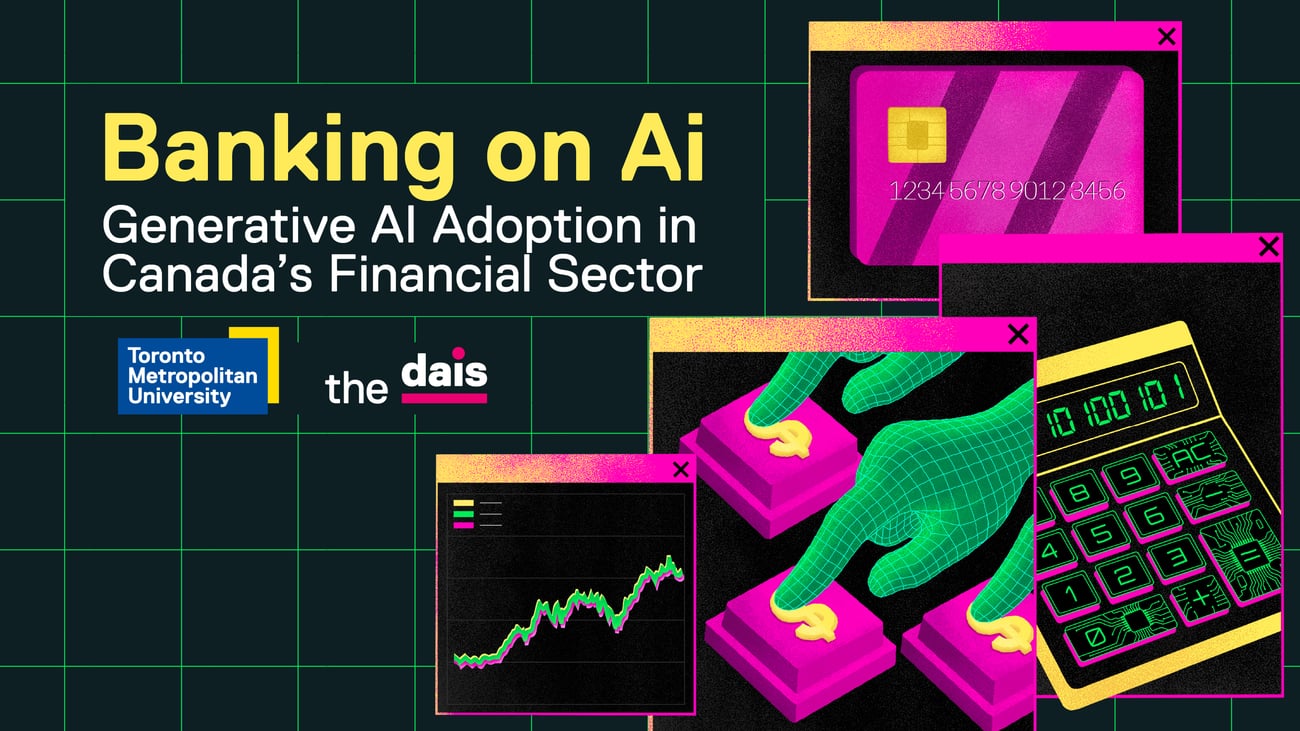
Banking on AI: Generative AI adoption in Canada’s financial sector |
 |
|
While nearly all financial sector workers are exposed to generative AI on the job, our research shows that most impacts are likely to enhance work, not eliminate roles.
That said, in a highly regulated, high-trust sector, generative AI also introduces real risks.
Our latest report, Banking on AI, finds that it is best deployed where:
-
consequences of error are lower
-
human oversight is built in
-
productivity gains outweigh governance costs
For financial services, responsible adoption means aligning AI use with workforce realities, regulatory obligations, and customer trust.
|
| EXPLORE THE FINDINGS |
|
|
|
|
|
|
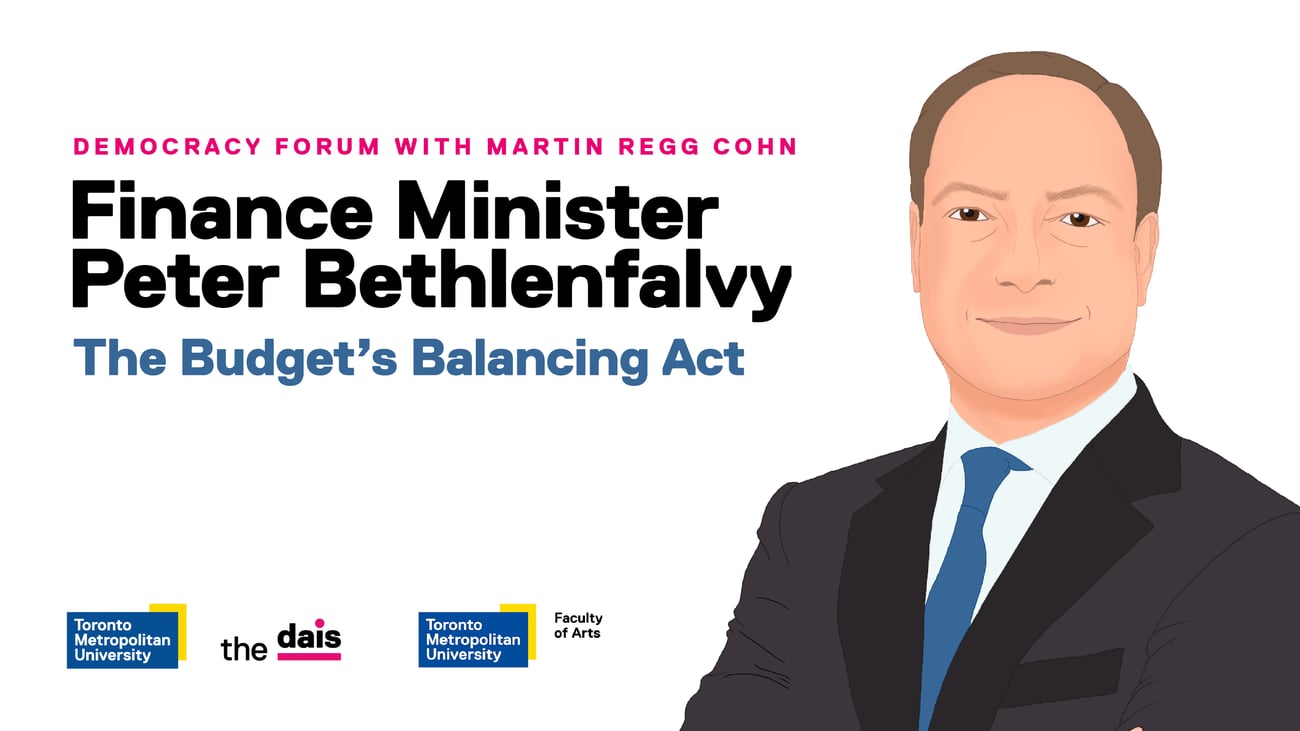
Ontario Finance Minister Peter Bethlenfalvy at TMU: The Budget’s Balancing Act |
 |
|
As Ontario’s finance minister, Peter Bethlenfalvy has to balance both the politics and economics of building a budget that bankrolls our hospitals and schools, but also backstops the province from U.S. trade shocks.
Just weeks ahead of the next provincial budget, bring your questions to the Democracy Forum at TMU, co-hosted by Toronto Star columnist and Dais Senior Fellow Martin Regg Cohn, and Amy Peng, Dean of Arts and Associate Professor of Economics at TMU.
|
| SAVE MY SPOT |
|
|
|
|
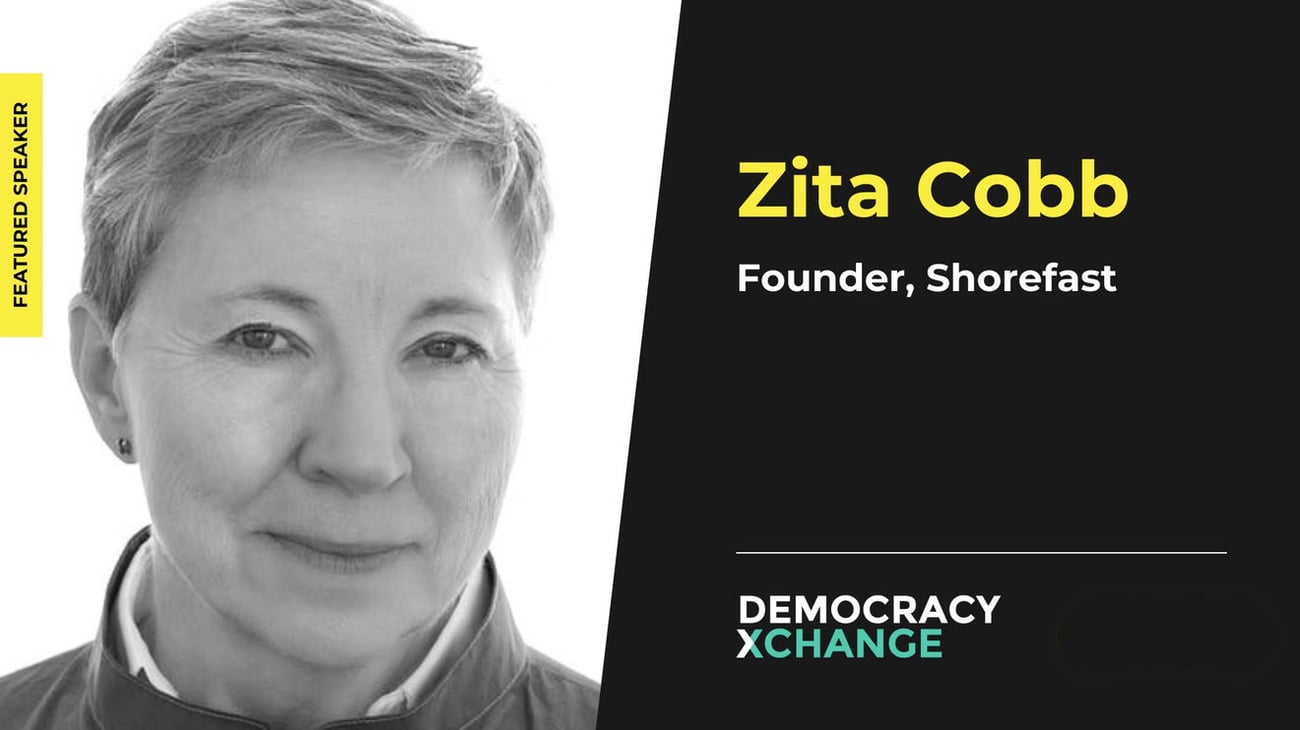
Side by Side: Building the Economy from Place, People, and Purpose |
 |
|
From Fogo Island to the future of democracy, Business Leader, Social Entrepreneur and Member of the Order of Canada, Zita Cobb, will share how democracy can grow when communities shape the economy.
Zita Cobb brings a deeply grounded vision of what it means to build an economy that strengthens democracy from the ground up. Drawing on her journey from global technology executive to social entrepreneur, Cobb—a member of the Order of Canada—reflects on how place-based economic development can restore dignity, opportunity, and civic trust.
Through her work transforming Fogo Island into an internationally recognized model of community-driven renewal, she demonstrates how economies rooted in people, culture, and shared stewardship can work Side By Side with democratic values. In this keynote, Cobb challenges us to reimagine economic systems not as abstract forces, but as collective tools—designed together—to secure economic sovereignty, grow opportunity, and reinforce democracy in Canada and beyond.
|
| GET TICKETS |
|
|
|
|
|
|
The Lunchroom: Making Phone-Free Schools Work |
 |
|
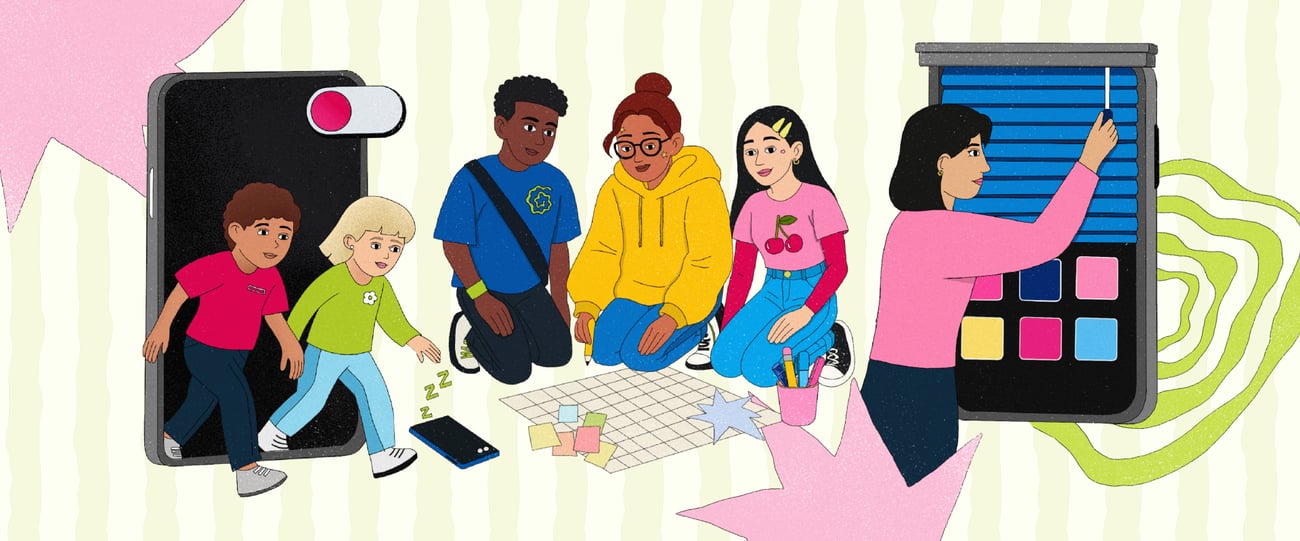
Phone-free school policies have been announced in every province for nearly 18 months. With differences between and within provinces, many school communities are asking the same question: what does “phone-free” actually look like on a random Tuesday at lunch, in the hallway, or in a classroom?
The Lunchroom: Making Phone-Free Schools Work is a webinar series featuring education leaders who are bringing phone-free policies to life in schools every day. Each session brings together voices from the field to share candid, on-the-ground lessons on what’s working, what’s not, and the lessons they’ve learned along the way.
These sessions are for anyone who cares about making phone-free policies work in schools, including:
-
School board leaders
-
School Administrators
-
Educators
-
Parents
-
Civil society partners
Join us for all four sessions—or drop into the ones you can. Bring your lunch and your questions, and leave with practical ideas you can apply in your school.
|
| REGISTER |
|
|
|
|
Be a 2026 Youth Champion |
 |
|
Do you know a motivated young changemaker? We’re looking for students in Grades 9–11 from across Canada to join our national Youth Champion program as part of our Heads Up campaign for phone-free schools.
Youth Champions work with other students to lead conversations about phone use at school and building healthier digital habits.
The perks:
-
Paid leadership experience with a $1,000 honorarium upon program completion
-
Training in leadership, facilitation, and public speaking
-
Mentorship from educators and program leaders
-
A national network of peers committed to making positive change
The details:
-
Currently in Grades 9-11
-
Curious about technology, mental health, education, or policy
-
Can commit to about 6-8 hours per month from March to November 2026.
Learn more and apply by February 20!
|
| APPLY NOW |
|
|
|
|
|
|
|
|